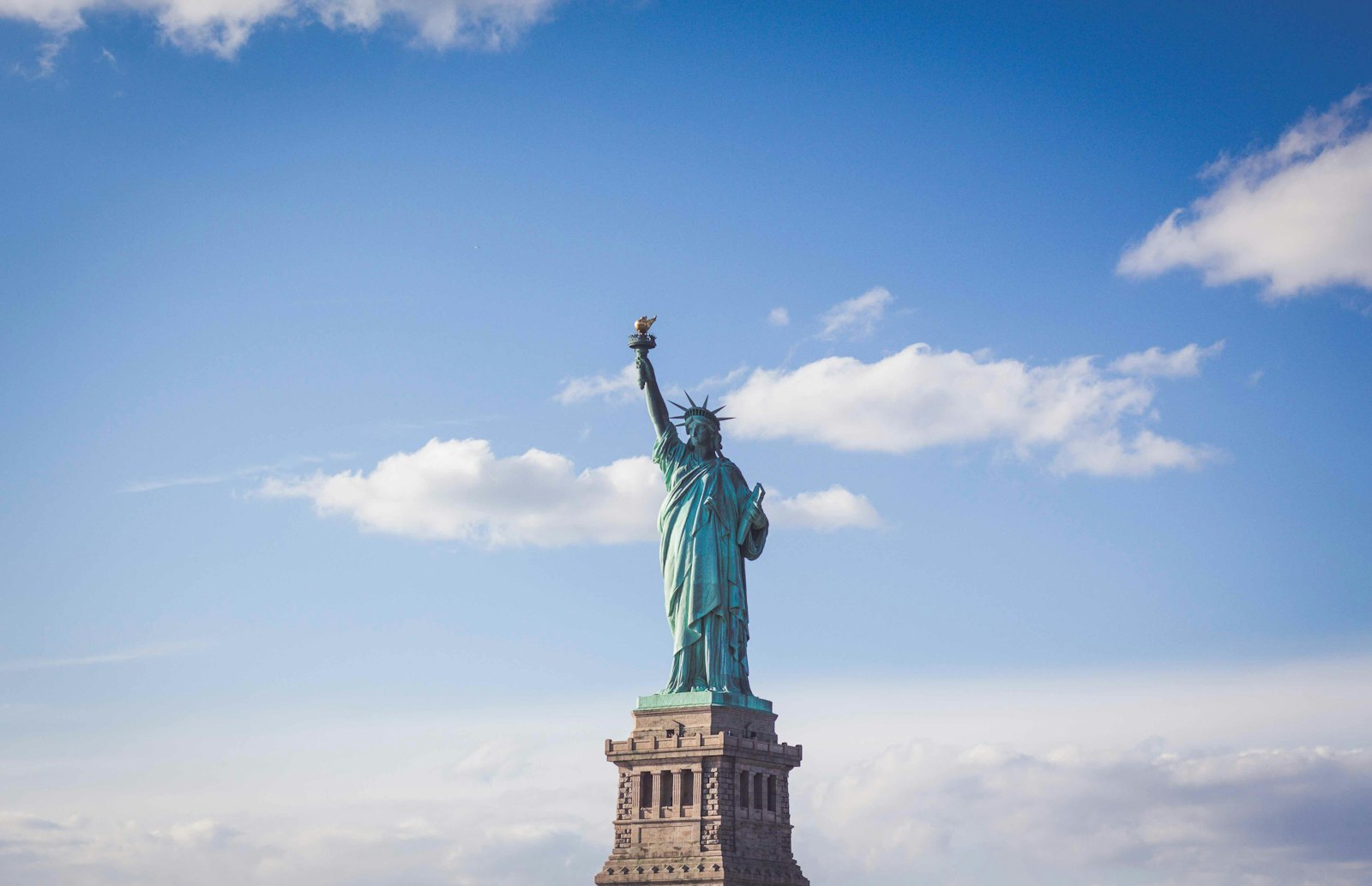
USA Study Guide 2026
Masters & MBA in USA 2026 — F-1 Visa, STEM OPT & Ivy League Admissions Guide
Masters & MBA in USA 2026: this guide compiles current tuition fees, top universities, student visa requirements, scholarships and post-study work rights for international students applying for USA's next intake. Updated for 2026 with the latest visa rules and tuition figures.
Quick Facts — Study in USA 2026
Why Choose USA for Masters or MBA?
Graduates from STEM-designated programs get a 24-month extension on top of the standard 12-month OPT, totaling 3 years of US work authorization without H-1B sponsorship.
Harvard, MIT, Stanford, Caltech consistently rank in the global top 5. Over 300 institutions hold the R1 'very high research activity' Carnegie classification.
The US semester system allows double majors, minors, and inter-disciplinary programs. Students may change majors up to sophomore year at most universities.
Curricular Practical Training authorizes full-time paid internships during your degree when integrated into academic credit — students at Wharton, Stern and Booth use it routinely.
Top Universities in USA for International Students
These institutions consistently rank in QS, Times Higher Education and ARWU global tables and actively admit international Masters and MBA students.
- Massachusetts Institute of Technology (MIT)QS #1
Engineering, Computer Science, Economics. Cambridge, Massachusetts.
- Harvard UniversityQS #4
Law, Medicine, Business, Public Policy. Cambridge, Massachusetts.
- Stanford UniversityQS #6
Computer Science, AI, Business. Palo Alto, California — Silicon Valley adjacent.
- California Institute of Technology (Caltech)QS #10
Physics, Engineering, Aeronautics. Pasadena, California.
- University of Pennsylvania (Wharton)QS #11
Business, Finance, Bioengineering. Ivy League. Philadelphia.
- Columbia UniversityQS #34
Journalism, Law, International Affairs. Ivy League. New York.
- Cornell UniversityQS #16
Engineering, Hotel Administration, Agriculture. Ivy League. Ithaca, NY.
- UC BerkeleyQS #12
Public R1. Engineering, Business, Computer Science. Berkeley, California.
Tuition Fees and Cost of Living in USA (2026)
| Category | Indicative Range | Notes |
|---|---|---|
| Public University (out-of-state UG) | USD 18,000–40,000 / year | UC system, U-Michigan, UT Austin |
| Private University UG | USD 30,000–58,000 / year | Ivy League, Stanford, MIT |
| Postgraduate (Masters / PhD) | USD 20,000–55,000 / year | STEM Masters typically lower than business |
| MBA (Top 10) | USD 70,000–85,000 / year | Wharton, Harvard, Kellogg total ~USD 150K+ |
| Cost of Living (Midwest) | USD 1,200–1,800 / month | Chicago, Columbus, Minneapolis |
| Cost of Living (NYC / SF Bay) | USD 2,500–3,500 / month | On-campus dorms USD 800–1,600/mo |
Most Popular Courses for International Students in USA
The highest-demand Master's and MBA programs at top universities, ranked by international enrolment volume.
- Computer Science
- Data Science & AI
- Electrical Engineering
- Business Administration (MBA)
- Finance
- Mechanical Engineering
- Public Health
- Biotechnology
- Quantitative Economics
- Law (JD)
- Film & Media Studies
- Architecture
Step-by-Step Application Process for USA
The standard timeline runs 9–14 months from shortlisting to landing in USA. Start at least one intake cycle ahead of your target start date.

- Take standardized testsGRE for STEM/Engineering Masters, GMAT for MBA, IELTS 6.5+ / TOEFL 80+ for English proficiency. Some universities have made GRE/GMAT optional — check each program.
- Shortlist universities (ambitious / target / safe)Build a 6–10 university list across ranking tiers. Use US News, QS subject rankings and SCAN approach (Stretch / Competitive / Achievable / Need-based).
- Prepare SOP, LORs, resume3 academic LORs, a tailored Statement of Purpose per university, a 1-page resume highlighting research and projects.
- Submit applications by deadlineFall intake deadlines: Nov 1–Feb 15 (varies). MS programs typically Dec–Jan; PhD often Dec 15. Pay USD 75–125 per application.
- Receive I-20 from your universityAfter admission and a financial proof deposit, the university issues Form I-20. Verify your name and program details match your passport exactly.
- Pay SEVIS fee and book F-1 interviewPay USD 350 SEVIS I-901 at fmjfee.com. Complete DS-160, pay USD 185 embassy fee, and schedule your visa interview 60–90 days before the program start.
Student Visa Requirements for USA
International students need the F-1 Non-Immigrant Student Visa to study full-time at a US SEVP-approved institution. Required documents: Form I-20 from your university, DS-160 application, SEVIS I-901 fee receipt (USD 350), embassy fee receipt (USD 185), valid passport, financial proof covering the first year, academic transcripts and test scores. Processing time is 2–8 weeks. F-1 students may work on-campus up to 20 hours/week during the semester.
Top Scholarships for International Students in USA
Government and university scholarships open to international applicants — most are merit-based and require a separate application alongside admission.
- Fulbright-Nehru Master's Fellowship
- Stanford Knight-Hennessy Scholars
- Inlaks Shivdasani Foundation
- Tata Scholarship at Cornell
- AAUW International Fellowships
- Cornell Tata Scholarship
- Hubert H. Humphrey Fellowship
- Endeavour Leadership Program
Post-Study Work and PR Pathway from USA
F-1 students may use Curricular Practical Training (CPT) for paid internships during studies and Optional Practical Training (OPT) for 12 months post-graduation. STEM-designated graduates qualify for a 24-month OPT extension (36 months total). Pathways to longer-term work include the H-1B specialty occupation visa (annual lottery), H-1B cap-exempt jobs at universities and nonprofits, and the EB-2/EB-3 Green Card categories with employer sponsorship.
FAQs — Study in USA for International Students
What IELTS or TOEFL score do I need for US universities?
How do I apply for an F-1 student visa from India?
What is the difference between OPT and CPT?
Can I work on a US student visa?
How much does an MS in USA cost?
How can I get a Green Card after MS in USA?
Ready to Apply for USA?
Our Passport 2 Degree counselors have personally studied abroad and have placed students into top universities in USA since 2020. Book a free 30-minute call to start your application.
Book Free Counseling