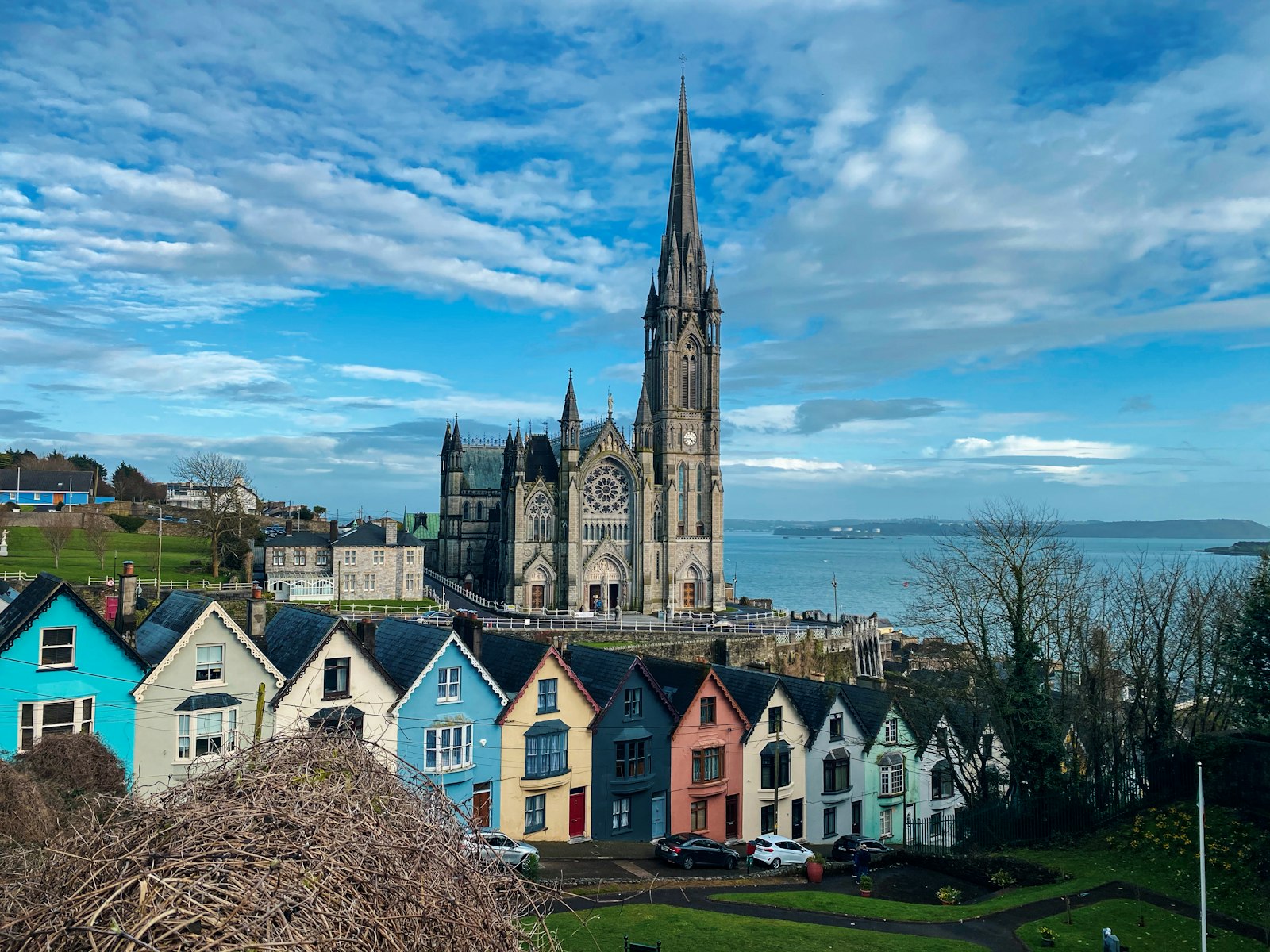
Ireland Study Guide 2026
Masters & MBA in Ireland 2026 — Stamp 2 Visa & Stamp 1G Graduate Route
Masters & MBA in Ireland 2026: this guide compiles current tuition fees, top universities, student visa requirements, scholarships and post-study work rights for international students applying for Ireland's next intake. Updated for 2026 with the latest visa rules and tuition figures.
Quick Facts — Study in Ireland 2026
Why Choose Ireland for Masters or MBA?
All eight Irish universities feature in QS rankings, led by Trinity College Dublin (Top 90) and UCD (Top 130).
Masters graduates get the Third Level Graduate Scheme (Stamp 1G) — a full 24 months to live and work in Ireland without sponsorship.
Google, Meta, Apple, Pfizer and 9 of the world's top-10 pharma companies run their European headquarters from Ireland.
The only English-speaking country in the EU — UK-style education with EU work rights.
Top Universities in Ireland for International Students
These institutions consistently rank in QS, Times Higher Education and ARWU global tables and actively admit international Masters and MBA students.
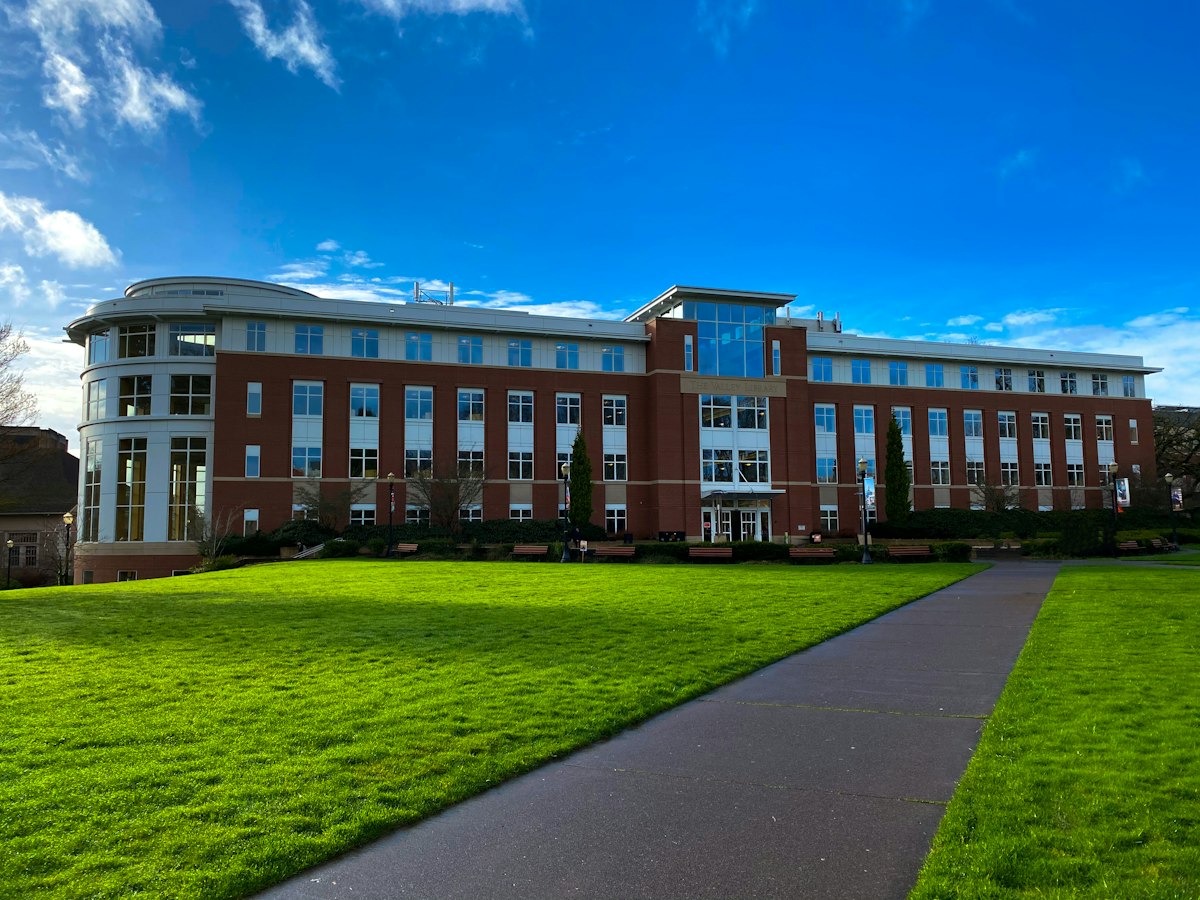
- Trinity College DublinQS Top 90
Ireland's oldest and highest-ranked university; Computer Science, Business and Humanities.
- University College Dublin (UCD)QS Top 130
Largest university; Smurfit Graduate Business School is triple-accredited.
- University College Cork (UCC)QS Top 300
Food Science, Pharma and Data Analytics; strong industry placements.
- University of GalwayQS Top 300
MedTech capital of Europe — Biomedical Engineering and Data Science.
- Dublin City University (DCU)Young Uni Top 100
Business, Communications and Computing with strong co-op placements.
- University of LimerickTop 450
Cooperative education pioneer — 8-month paid placements built into Masters.
Tuition Fees and Cost of Living in Ireland (2026)
| Category | Indicative Range | Notes |
|---|---|---|
| Master's (Business / Arts) | €10,000 – €18,000/year | Most 1-year taught programs |
| Master's (STEM / Data / CS) | €15,000 – €25,000/year | Trinity, UCD at the higher end |
| MBA (Smurfit, Trinity) | €25,000 – €35,000 (full program) | 1-year full-time MBA |
| Medicine (Graduate Entry) | €45,000 – €55,000/year | 4-year GEM programs |
| Cost of Living | €1,000 – €1,800/month | Dublin rents high — Cork, Limerick, Galway 25–35% cheaper |
| Health Insurance | €150 – €300/year | Student schemes accepted for visa |
Most Popular Courses for International Students in Ireland
The highest-demand Master's and MBA programs at top Ireland universities, ranked by international enrolment volume.
- Data Analytics
- Computer Science
- Pharmaceutical Science
- Finance
- Cybersecurity
- Business Analytics
- Artificial Intelligence
- Digital Marketing
- Engineering Management
- Cloud Computing
- Supply Chain
- MedTech & Biomedical
Step-by-Step Application Process for Ireland
The standard timeline runs 9–14 months from shortlisting to landing in Ireland. Start at least one intake cycle ahead of your target start date.

- Shortlist universitiesResearch English-medium Master's and MBA programs at top Ireland institutions and identify 4–6 target universities by fit and ranking.
- Take English language testIELTS Academic or TOEFL iBT as required. Many universities accept PTE Academic or Duolingo English Test.
- Prepare and submit applicationSubmit transcripts, CV, Statement of Purpose, recommendation letters, and any GRE/GMAT scores required.
- Receive admission letter and pay depositUniversities issue an admission/offer letter after evaluation. Pay the tuition deposit to confirm your seat.
- Apply for the student visaFile the Ireland student visa application with the embassy/consulate; bring admission letter, financial proof, accommodation proof, health insurance and passport.
- Travel and register on arrivalWithin the first weeks of arrival, register your address with local authorities and apply for a residence permit if required.
Student Visa Requirements for Ireland

Non-EU students apply online (AVATS) for the Irish Study Visa (D) with: university admission letter, proof of €10,000+ living funds plus paid fees, medical insurance, English-test evidence and passport. After arrival, register with immigration for your IRP card with Stamp 2 (student) conditions — this is what carries your work rights.
Top Scholarships for International Students in Ireland
Government and university scholarships open to international applicants — most are merit-based and require a separate application alongside admission.
- Government of Ireland International Education Scholarship (€10,000)
- Trinity Global Excellence Scholarships
- UCD Global Scholarships (up to 100%)
- University of Galway Merit Awards
- Walsh Fellowships (research)
Post-Study Work and PR Pathway from Ireland
Stamp 2 students may work 20 hours/week during term and 40 hours/week during holidays (June–Sept and mid-Dec–mid-Jan). After a Masters, the Third Level Graduate Scheme (Stamp 1G) grants 24 months of open work rights — no sponsorship needed — and most graduates convert to a Critical Skills Employment Permit, which reaches PR eligibility in just 2 years.
FAQs — Study in Ireland for International Students
What language do I need to study in Ireland?
How much does a Master's in Ireland cost?
Can I work while studying in Ireland?
What is the post-study work option in Ireland?
Is Ireland good for Indian students?
How do I apply to universities in Ireland?
Ready to Apply for Ireland?
Our Passport 2 Degree counselors have personally studied abroad and have placed students into top universities in Ireland since 2020. Book a free 30-minute call to start your application.
Book Free Counseling