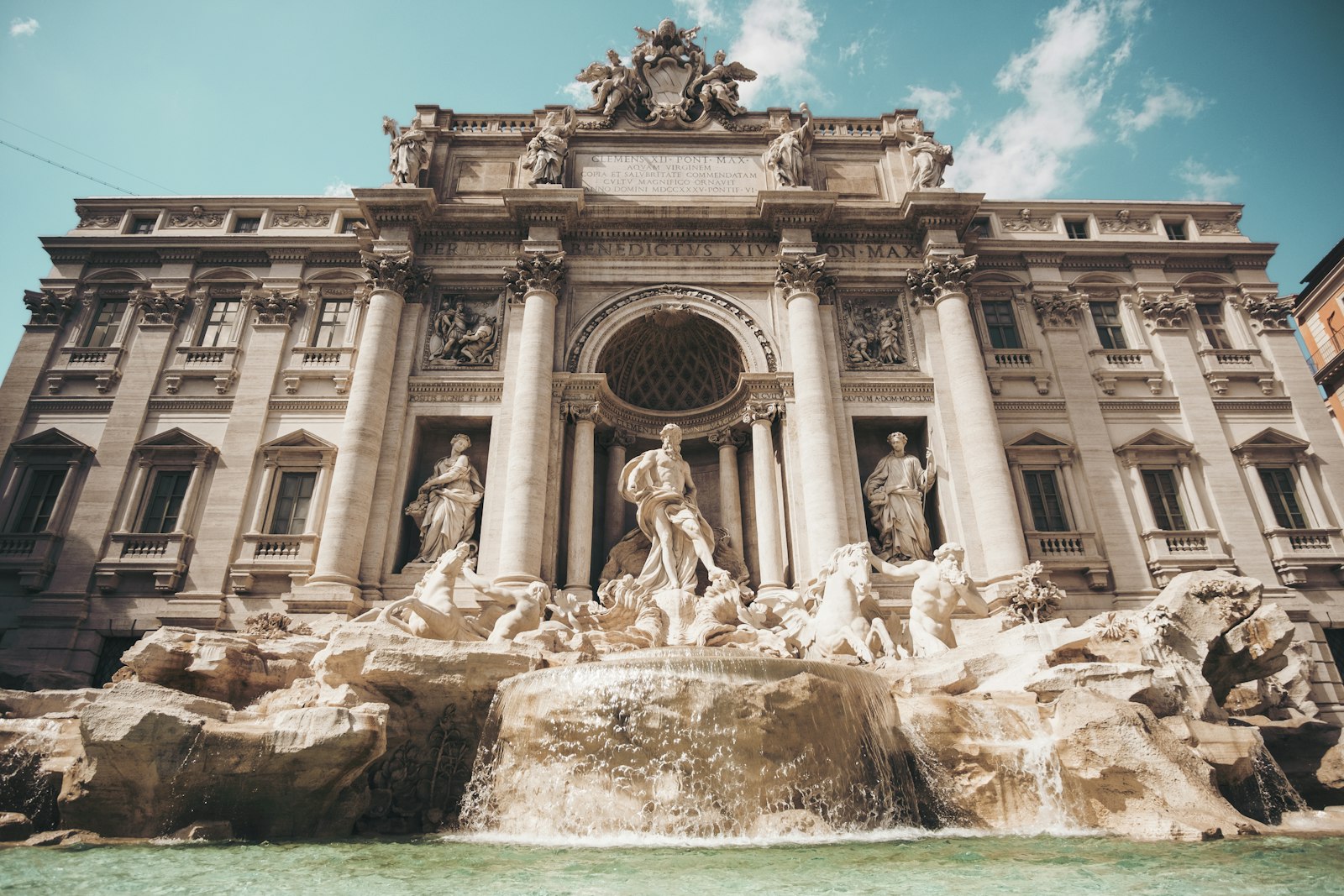
Italy Study Guide 2026
Masters & MBA in Italy 2026 — Type D Visa & Politecnico di Milano Guide
Masters & MBA in Italy 2026: this guide compiles current tuition fees, top universities, student visa requirements, scholarships and post-study work rights for international students applying for Italy's next intake. Updated for 2026 with the latest visa rules and tuition figures.
Quick Facts — Study in Italy 2026
Why Choose Italy for Masters or MBA?
The University of Bologna is the oldest university in the world (est. 1088), and Politecnico di Milano, Sapienza and Padua all sit high in QS global tables.
Public university fees are calculated on family income (ISEE) — many international students pay only €156–€1,000/year, with DSU grants adding free meals and housing.
Graduates can convert to a 12-month 'attesa occupazione' residence permit to search for a job or start a business in Italy.
Milan is the world's design and fashion capital — Politecnico di Milano ranks in the global top 10 for Design and Architecture.
Top Universities in Italy for International Students
These institutions consistently rank in QS, Times Higher Education and ARWU global tables and actively admit international Masters and MBA students.
- Politecnico di MilanoQS Top 120
Engineering, Architecture and Design — global top 10 for Design; strong industry links in Milan.
- University of BolognaQS Top 150
World's oldest university; broad portfolio across Law, Economics, Sciences and Humanities.
- Sapienza University of RomeQS Top 150
Europe's largest campus university; world #1 for Classics & Ancient History.
- Bocconi UniversityFT Top 10 (Europe) B-School
Economics, Finance, Management — SDA Bocconi MBA is Italy's premier business program.
- Politecnico di TorinoQS Top 350
Automotive, Aerospace and Mechanical Engineering — ties to Fiat/Stellantis ecosystem.
- University of PaduaQS Top 250
Est. 1222; research-intensive with strong Medicine, Physics and Psychology programs.
Tuition Fees and Cost of Living in Italy (2026)
| Category | Indicative Range | Notes |
|---|---|---|
| Public University Master's | €156 – €4,000/year | ISEE income-based; most international students pay the lower bands |
| Private University Master's | €6,000 – €20,000/year | Bocconi, Cattolica, LUISS |
| MBA (SDA Bocconi) | €40,000 – €72,000 (full program) | FT-ranked one-year MBA |
| Medicine (English-taught MD) | €1,500 – €20,000/year | ISEE-based at public unis; IMAT entrance exam required |
| Cost of Living | €700 – €1,200/month | Milan and Rome at the higher end; Padua, Turin, Bologna cheaper |
| Health Insurance | €150 – €700/year | SSN regional enrolment or private policy for the visa |
Most Popular Courses for International Students in Italy
The highest-demand Master's and MBA programs at top Italy universities, ranked by international enrolment volume.
- Design
- Architecture
- Fashion Management
- Mechanical Engineering
- Computer Science
- Finance
- Food Science
- Automotive Engineering
- Data Science
- Art History & Heritage
- Economics
- Luxury Management
Step-by-Step Application Process for Italy
The standard timeline runs 9–14 months from shortlisting to landing in Italy. Start at least one intake cycle ahead of your target start date.

- Shortlist universitiesResearch English-medium Master's and MBA programs at top Italy institutions and identify 4–6 target universities by fit and ranking.
- Take English language testIELTS Academic or TOEFL iBT as required. Many universities accept PTE Academic or Duolingo English Test.
- Prepare and submit applicationSubmit transcripts, CV, Statement of Purpose, recommendation letters, and any GRE/GMAT scores required.
- Receive admission letter and pay depositUniversities issue an admission/offer letter after evaluation. Pay the tuition deposit to confirm your seat.
- Apply for the student visaFile the Italy student visa application with the embassy/consulate; bring admission letter, financial proof, accommodation proof, health insurance and passport.
- Travel and register on arrivalWithin the first weeks of arrival, register your address with local authorities and apply for a residence permit if required.
Student Visa Requirements for Italy

Non-EU students need the Type D national student visa for Italy. First pre-enrol on the Universitaly portal, then apply at the Italian embassy/consulate with: admission letter, proof of funds (about €6,500/year), accommodation proof, health insurance, passport and photos. Within 8 working days of arrival, apply for the permesso di soggiorno (residence permit) at the local post office/questura.
Top Scholarships for International Students in Italy
Government and university scholarships open to international applicants — most are merit-based and require a separate application alongside admission.
- DSU Regional Scholarships (fee waiver + stipend)
- Invest Your Talent in Italy (Indian applicants eligible)
- Italian Government MAECI Scholarships
- Bocconi Merit & Need-Based Awards
- Erasmus+ Mobility
Post-Study Work and PR Pathway from Italy
Students in Italy can work up to 20 hours/week (1,040 hours/year) during studies. After graduation, convert your permit to a 12-month 'attesa occupazione' (job-search) permit; once employed, switch to a work permit — time on study permits counts toward the 10-year citizenship/long-term residence clock.
FAQs — Study in Italy for International Students
What language do I need to study in Italy?
How much does a Master's in Italy cost?
Can I work while studying in Italy?
What is the post-study work option in Italy?
Is Italy good for Indian students?
How do I apply to universities in Italy?
Ready to Apply for Italy?
Our Passport 2 Degree counselors have personally studied abroad and have placed students into top universities in Italy since 2020. Book a free 30-minute call to start your application.
Book Free Counseling