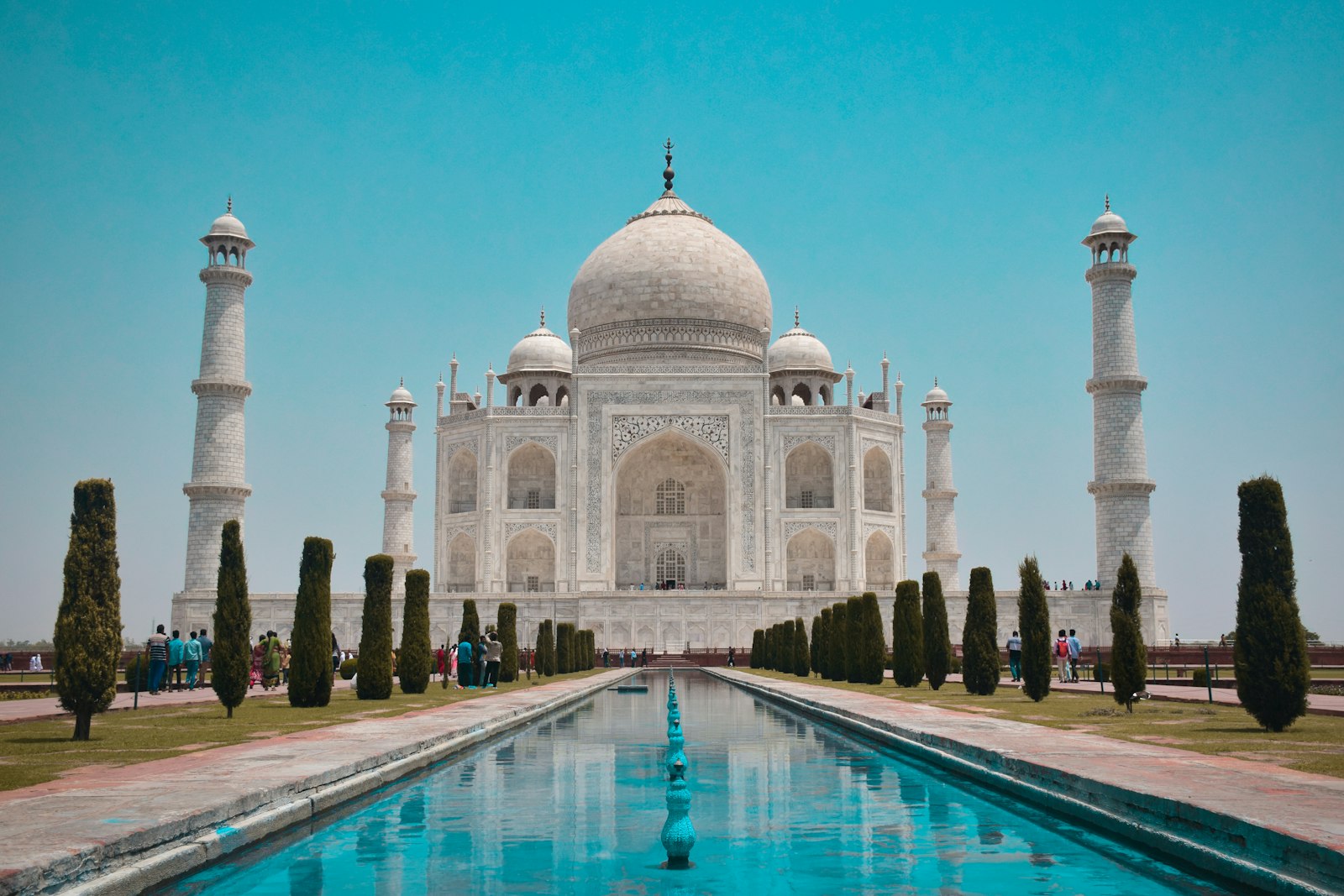
India Study Guide 2026
Masters & MBA in India 2026 — IIT, IIM & AIIMS Admissions Guide
Masters & MBA in India 2026: this guide compiles current tuition fees, top universities, student visa requirements, scholarships and post-study work rights for international students applying for India's next intake. Updated for 2026 with the latest visa rules and tuition figures.
Quick Facts — Study in India 2026
Why Choose India for Masters or MBA?
India's IITs and IIMs are globally ranked — IIT Bombay and IIT Delhi feature in the QS Top 200, while IIM Ahmedabad is among Asia's best business schools. Degrees are recognised worldwide.
A Master's at a top Indian public university costs ₹50,000 – ₹2,00,000/year — a fraction of US/UK fees. Even top MBA programmes at IIMs are significantly cheaper than comparable Western programmes.
All IITs, IIMs, AIIMS, and most central/private universities teach entirely in English. No Hindi or regional language requirement for international students on these tracks.
India is the world's 3rd largest startup ecosystem. Cities like Bangalore, Hyderabad, and Pune are global tech hubs — offering internship and job opportunities through campus placements at top universities.
Top Universities in India for International Students
These institutions consistently rank in QS, Times Higher Education and ARWU global tables and actively admit international Masters and MBA students.

-
Indian Institute of Technology (IIT) BombayQS Top 150
Engineering, Computer Science, Data Science, and Management programmes. India's most prestigious technical institute with excellent placement records.
-
Indian Institute of Technology (IIT) DelhiQS Top 200
AI, Machine Learning, Biotechnology, and MS-by-Research programmes. Strong industry connections in Delhi-NCR tech corridor.
-
Indian Institute of Management (IIM) Ahmedabad#1 MBA in India
MBA (PGP), PGPX (1-year MBA for experienced professionals), Finance, Strategy, and Entrepreneurship. Triple-accredited business school.
-
All India Institute of Medical Sciences (AIIMS) DelhiIndia's #1 Medical
Medicine, Public Health, Nursing, and Biomedical Sciences. India's premier medical institution with world-class research facilities.
-
Jawaharlal Nehru University (JNU)NAAC A++
International Relations, Social Sciences, Languages, and Environmental Sciences. India's top research university for humanities and social sciences.
-
Manipal Academy of Higher Education (MAHE)QS Top 400
English-medium programmes across 30+ disciplines. Private university with strong international student community and modern campus.
Tuition Fees and Cost of Living in India (2026)
| Category | Indicative Range | Notes |
|---|---|---|
| Public University Master's | ₹50,000 – ₹2,00,000/year | IITs, JNU, Central Universities |
| Private University Master's | ₹2,00,000 – ₹8,00,000/year | Manipal, Amity, SRM, VIT |
| MBA (Top IIMs) | ₹15,00,000 – ₹25,00,000 (full programme) | 2-year full-time MBA (PGP) |
| Medicine (MBBS) | ₹50,000 – ₹25,00,000/year | Government vs Private medical colleges |
| Cost of Living | ₹10,000 – ₹20,000/month | Includes hostel, food, transit in tier-2 cities; ₹25,000–₹40,000 in metro cities |
| Health Insurance | ₹5,000 – ₹15,000/year | Required for student visa |
Most Popular Courses for International Students in India
The highest-demand Master's and MBA programmes at top Indian universities, ranked by international enrolment volume.
- Computer Science & Engineering
- Data Science & AI
- Business Administration (MBA)
- Electrical Engineering
- Medicine (MBBS/MD)
- Biotechnology
- Pharmacy
- Public Health
- International Relations
- Finance & Accounting
- Mechanical Engineering
- Environmental Science
Step-by-Step Application Process for India
The standard timeline runs 6–12 months from shortlisting to arriving in India. Start at least one intake cycle ahead of your target start date.
- Shortlist universitiesResearch English-medium Master's and MBA programmes at top Indian institutions (IITs, IIMs, central universities, or private universities). Identify 4–6 target universities by fit and ranking.
- Take required entrance examsGATE (for IIT M.Tech), CAT/GMAT (for MBA at IIMs), or university-specific entrance tests. International students may apply through DASA or direct admission routes. English proficiency: IELTS/TOEFL as required.
- Prepare and submit applicationSubmit transcripts, CV, Statement of Purpose, recommendation letters, and entrance exam scores through the university portal or the Study in India (SII) platform.
- Receive admission letter and pay feesUniversities issue an admission/offer letter after evaluation. Pay the tuition fees and hostel deposit to confirm your seat. Obtain a bonafide certificate for visa application.
- Apply for the Indian Student Visa (S Visa)Apply at the Indian Embassy/Consulate or through the Indian Visa Online portal. Required documents: admission letter, financial proof (minimum ,000/year), accommodation confirmation, health insurance, passport photos, and completed visa form.
- Travel and register on arrivalRegister with the Foreigners Regional Registration Office (FRRO) within 14 days of arrival. Complete university enrollment and hostel allocation.
Student Visa Requirements for India
International students need an Indian Student Visa (S Visa) to study in India. Required documents: confirmed admission letter from a recognised Indian institution, proof of financial means (bank statements showing minimum ,000/year or equivalent), passport valid for at least 6 months beyond intended stay, passport-size photos, health/medical insurance, and the completed online visa application form. Apply at the Indian Embassy or Consulate in your home country or through the Indian Visa Online (e-Visa) portal. Upon arrival, register with the FRRO (Foreigners Regional Registration Office) within 14 days. The S Visa is typically issued for the duration of the programme (1–5 years) and can be extended.
Top Scholarships for International Students in India
Government and university scholarships open to international applicants — most are merit-based and require a separate application alongside admission.
- ICCR Scholarship (Indian Council for Cultural Relations)
- Study in India (SII) Programme
- IIT Merit Scholarships
- IIM Need-Based Financial Aid
- Tata Trusts Scholarships
- Nalanda University Fellowship
- Commonwealth Scholarships
- AYUSH Scholarship (for medical streams)
Post-Study Work and Career Pathway from India
India does not currently offer a formal post-study work visa like the UK's Graduate Route or Australia's 485 visa. However, international graduates have several pathways: (1) Convert to an Employment Visa if you receive a job offer from an Indian company with a minimum salary of ₹16,25,000/year. (2) Top IITs and IIMs have excellent campus placement records — companies like Google, Microsoft, Amazon, McKinsey, and Goldman Sachs recruit directly from these campuses. (3) The Indian startup ecosystem (especially in Bangalore, Hyderabad, and Pune) offers internship-to-job pipelines for tech graduates. (4) Many students use their Indian degree as a stepping stone for further studies or employment in the US, UK, or EU.
FAQs — Study in India for International Students
What language do I need to study in India?
How much does a Master's in India cost?
Can I work while studying in India?
What is the post-study work option in India?
Is India good for international students?
How do I apply to universities in India?
Ready to Apply for India?
Our Passport 2 Degree counselors have personally studied abroad and have placed students into top universities in India since 2020. Book a free 30-minute call to start your application.