Canada Study Guide 2026
Masters & MBA in Canada 2026 — Study Permit, PGWP & Express Entry PR Guide
Masters & MBA in Canada 2026: this guide compiles current tuition fees, top universities, student visa requirements, scholarships and post-study work rights for international students applying for Canada's next intake. Updated for 2026 with the latest visa rules and tuition figures.
Quick Facts — Study in Canada 2026
Why Choose Canada for Masters or MBA?
Indian Master's graduates score 67+ points on the CRS via Express Entry. The Canadian Experience Class fast-tracks PR after 1 year of post-graduation Canadian work.
PGWP gives graduates of 2-year+ programs an open work permit for 3 years. Work for any employer, anywhere in Canada.
Public university Master's at CAD 17,000–25,000/year is roughly half the US median. SDS visa processing is among the fastest in the developed world.
Provincial health insurance covers students in Alberta, BC, Manitoba, NL, NWT and Saskatchewan from day one — same standard as Canadian residents.
Top Universities in Canada for International Students
These institutions consistently rank in QS, Times Higher Education and ARWU global tables and actively admit international Masters and MBA students.
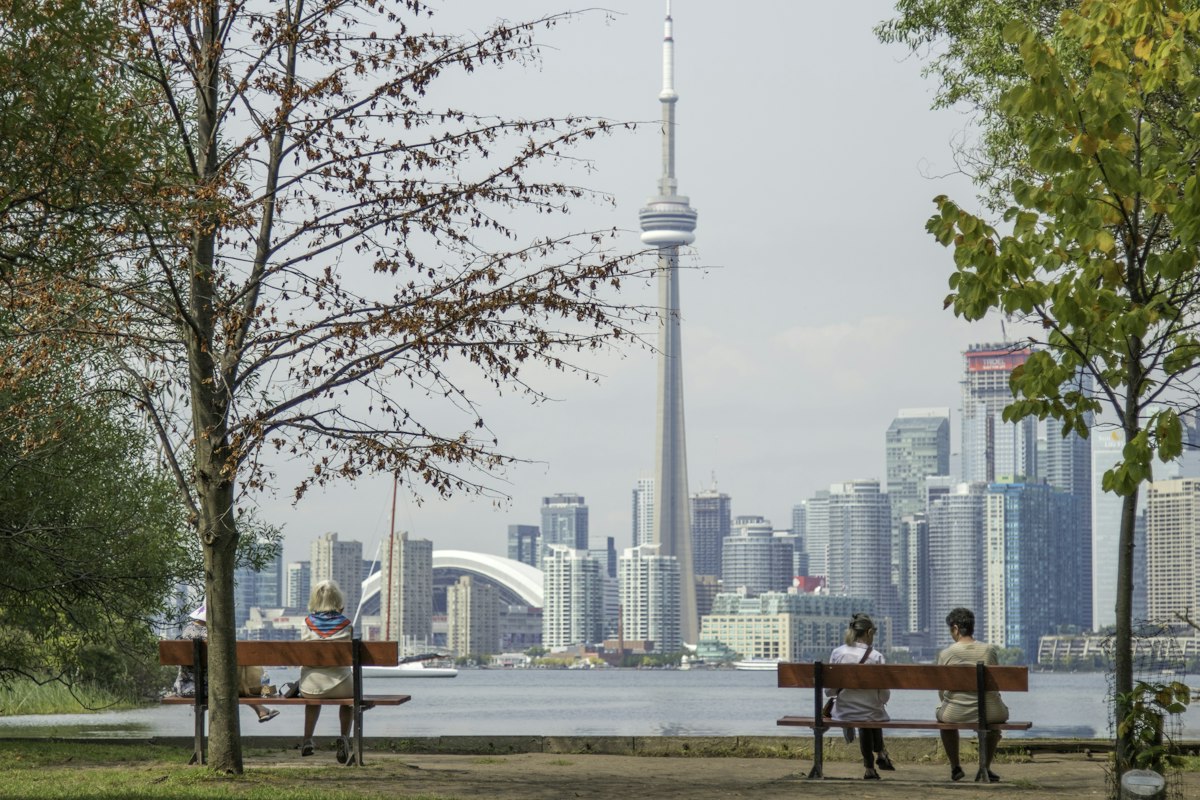
- University of TorontoQS #25
Computer Science, Medicine, Engineering. Bay Street finance access.
- McGill UniversityQS #29
Medicine, Engineering, Management. Montreal.
- University of British Columbia (UBC)QS #34
Forestry, Computer Science, Earth Sciences. Vancouver.
- University of AlbertaQS #96
Energy, Engineering, AI. Edmonton.
- McMaster UniversityQS #144
Engineering, Medicine. Hamilton.
- University of WaterlooQS #112
Computer Science, Co-op Engineering. Tech recruiting hub.
- Western UniversityQS #114
Ivey Business School, Engineering. London, Ontario.
- Queen's UniversityQS #209
Smith School of Business, Engineering. Kingston.
Tuition Fees and Cost of Living in Canada (2026)
| Category | Indicative Range | Notes |
|---|---|---|
| Undergraduate | CAD 15,000–35,000 / year | Engineering and Business at the high end |
| Postgraduate Master's | CAD 17,000–35,000 / year | STEM Master's often funded |
| MBA (Top schools) | CAD 60,000–120,000 / year | Rotman, Ivey, Schulich, McGill Desautels |
| Medicine / Dentistry | CAD 50,000–90,000 / year | Very limited spots for international students |
| Cost of Living (Toronto / Vancouver) | CAD 1,800–2,500 / month | Highest in Canada |
| Cost of Living (other cities) | CAD 1,200–1,800 / month | Quebec, Atlantic Canada cheapest |
Most Popular Courses for International Students in Canada
The highest-demand Master's and MBA programs at top universities, ranked by international enrolment volume.
- Computer Science
- Data Science & AI
- Mechanical Engineering
- Business Analytics
- Nursing
- Hospitality Management
- Civil Engineering
- Public Policy
- Architecture
- Electrical Engineering
- Environmental Science
- Project Management
Step-by-Step Application Process for Canada
The standard timeline runs 9–14 months from shortlisting to landing in Canada. Start at least one intake cycle ahead of your target start date.
- Take IELTS / TOEFL / PTEIELTS Academic 6.5+ (no band below 6.0); SDS (Student Direct Stream) accepts IELTS 6.0 minimum. GRE/GMAT required for select graduate programs.
- Get a Letter of Acceptance from a DLIApply to a Designated Learning Institution (DLI). Most universities open applications in September for the next September intake. Pay CAD 100–250 per application.
- Purchase a GIC of CAD 20,635Guaranteed Investment Certificate from Scotiabank, ICICI Canada, or CIBC — required for the Student Direct Stream visa pathway.
- Pay the first-year tuitionSDS requires proof of tuition payment for the first academic year — typically a wire transfer to the university.
- Submit Study Permit applicationApply online at IRCC with LOA, GIC receipt, tuition proof, medical exam results, IELTS score and biometrics. SDS processing is 20 calendar days; regular processing 10–12 weeks.
- Land in Canada within visa validityCarry your Study Permit Introduction Letter, LOA, GIC documents, and proof of funds. Get your Study Permit stamped at the port of entry.
Student Visa Requirements for Canada

International students need a Canadian Study Permit from IRCC. The Student Direct Stream (SDS) is available to applicants from India, China, Pakistan, the Philippines, Vietnam and 9 other countries — 20-day processing if you provide IELTS 6.0+, a CAD 20,635 GIC, and proof of first-year tuition payment. Regular Study Permit processing takes 10–12 weeks. Biometrics fee is CAD 85. Permit fee is CAD 150.
Top Scholarships for International Students in Canada
Government and university scholarships open to international applicants — most are merit-based and require a separate application alongside admission.
- Vanier Canada Graduate Scholarship
- Banting Postdoctoral Fellowships
- Trudeau Foundation Scholarship
- Canada Graduate Scholarships – Master's
- Ontario Trillium Scholarship
- UBC International Leader of Tomorrow
- University of Toronto Lester B. Pearson
- McGill Major Entrance Scholarships
Post-Study Work and PR Pathway from Canada
Study Permit holders may work 24 hours/week off-campus during studies (from late 2024 — up from 20) and full-time during scheduled breaks. After graduating from a 2-year+ program, apply for a Post-Graduation Work Permit (PGWP) — open work permit valid up to 3 years. After 1 year of qualified Canadian work, apply for Express Entry under the Canadian Experience Class for Permanent Residency.
FAQs — Study in Canada for International Students
What is the SDS visa for Canada?
How much is a GIC for Canada?
What is the PGWP and who qualifies?
Can I get Canadian PR after Master's?
How much does it cost to study in Canada?
Can my spouse work in Canada on my Study Permit?
Ready to Apply for Canada?
Our Passport 2 Degree counselors have personally studied abroad and have placed students into top universities in Canada since 2020. Book a free 30-minute call to start your application.
Book Free Counseling